How to Make "Japanese Style" That Can Be Used Overseas
- kforest0911
- 2025年6月2日
- 読了時間: 2分

更新日:2025年11月3日
When opening a Japanese restaurant in the United States, many questions arise regarding design.
"What about the design of the store?" is a significant point. However, many people stumble at this stage.
How far should I go in Japanese style?
Is anything fine as long as it's Japanese?
Is it really transmitted to Americans?
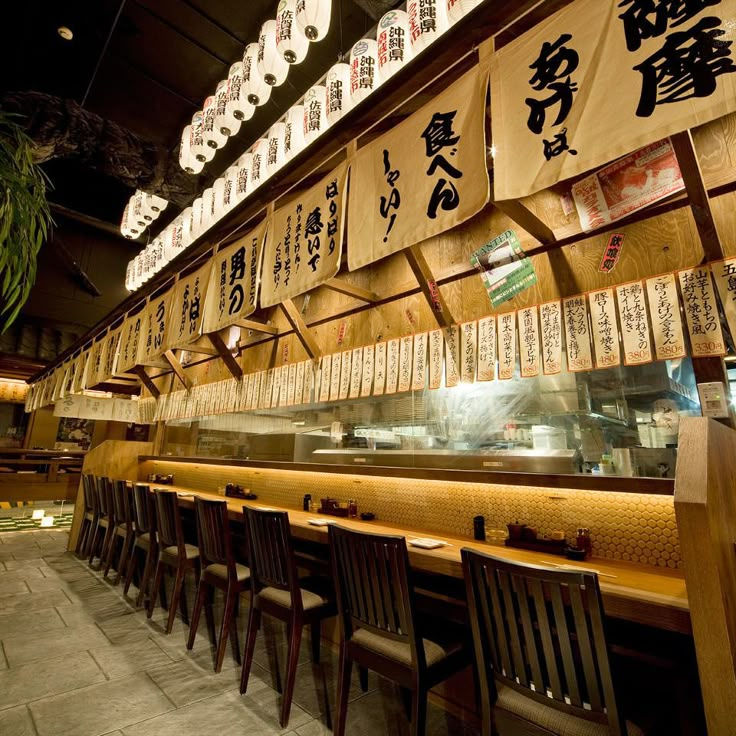
In fact, what American customers are seeking is not a "complete reproduction", but a sensory "Japaneseness." Sushi—referred to as "SUSHI"—has a "special feeling" beyond just a sign that reads "SUSHI."
The Dangers of a Half-Baked Japanese Style Mix
What doesn't work is a "half-baked Japanese-style mix." For instance, you might find:
Bamboo furniture, but the background music is EDM.
The kanji written on the wall is unclear.
Modern lighting mixed with Japanese paper lamps.
It's okay to combine Japanese and Western styles, but if there’s no clear intention, it looks confused. If you decide on "what you want to show" before designing, the overall theme will naturally come together.
Top 3 "Real Japanese Style" Elements That Americans Appreciate
From discussions, we have identified the top aspects that Americans associate with authentic Japanese style:
Tranquility and Calmness
This includes attention to lighting and sound.
Hospitality
The overall atmosphere and customer service make a big difference.
Commitment to Ingredients
This pertains not just to the food but also to the interior decoration.
In essence, it’s not just the design that matters; the overall "air feeling" plays a crucial role.
🪑 How to Create Japanese Ambiance While Keeping Initial Costs Low
A technique | Cost | Effect |
Wooden furniture (IKEA is also OK) | A low price | Close to the Japanese atmosphere |
Japanese-style BGM (modern arrangements of koto, shakuhachi, etc.) | Free~ | Atmosphere up |
Curtains and goodwill | Tens of dollars | Become an eye-catcher |
English + kanji menu table | Handmade OK | Combination of harmony and ease of understanding |
Conclusion: Conveying "Wa" Is About Fostering Feelings
You do not need to perfectly replicate a traditional inn. If you can explain why you chose your space, it reflects an expression of "wa" with a concept.
Let’s share stories with customers, not just through food but through the entire space.


コメント